Custom Manufacturing Benefits
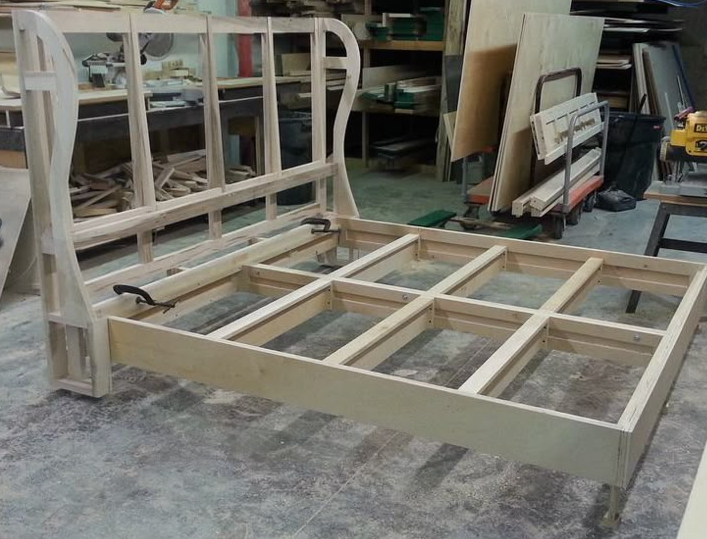
Perfect Dimensional Fit
Custom manufacturing eliminates spatial compromises inherent in standardized furniture through precise dimensional control addressing exact room measurements, architectural features, and clearance requirements. Awkward spaces including angled walls, sloped ceilings, and irregular alcoves receive furniture specifically designed accommodating unique geometries transforming challenging areas into functional storage rather than wasted space. Ceiling height optimization ensures appropriate scale relationships preventing tall pieces overwhelming low-ceiling rooms or short furniture appearing insignificant in high-ceiling spaces. Doorway passage considerations guarantee furniture physically fits through access routes avoiding situations where retail furniture proves impossible to install despite fitting destination rooms. Traffic flow planning positions furniture facilitating natural movement patterns without obstructions while defining functional zones within open layouts. Multi-room coordination ensures consistent proportional relationships across connected spaces maintaining visual harmony throughout homes. Built-in integration creates seamless architectural appearances where furniture appears as original building elements rather than added pieces. Expansion accommodation through modular designs allows future additions matching existing furniture as needs grow without complete replacement investments.
Material Quality Control
Direct material selection ensures premium quality hardwoods, superior hardware, and appropriate finishes rather than accepting predetermined component grades typical of mass production cost optimization. Solid hardwood construction throughout provides structural integrity and repair possibilities unlike composite materials degrading irreparably over time. Wood species selection matches aesthetic preferences, performance requirements, and budget constraints offering choices impossible in retail furniture lines. Grain pattern consideration utilizes attractive figuring for visible surfaces while reserving plain grain for concealed areas optimizing material costs. Sustainable sourcing supports responsible forestry practices and reclaimed material usage reducing environmental impacts. Hardware quality specifications ensure smooth drawer slides, durable hinges, and long-lasting mechanisms rather than cheap components failing prematurely. Finish selection balances durability requirements with desired appearances choosing appropriate products for intended use conditions. Material authenticity avoids imitation products attempting to replicate higher-grade materials through photographic veneers or synthetic surfaces lacking genuine material character. Quality documentation provides material certifications, species verification, and finish specifications supporting warranty claims and future refinishing. Investment protection through superior materials justifies higher initial costs via extended lifespans eliminating replacement expenses while maintaining aesthetic appeal and functional performance throughout decades of service.
Functional Customization
Personalized design addresses specific usage patterns, storage requirements, and operational preferences impossible within standardized furniture configurations designed for hypothetical average users. Storage optimization sizes compartments appropriately for actual possessions avoiding wasted space from oversized sections or inadequate capacity forcing external storage. Specialized accommodations including charging stations, cable management, equipment mounting, and technology integration support contemporary lifestyles. Ergonomic customization adjusts heights, depths, and reaches matching user anthropometrics preventing strain from inappropriate dimensions. Accessibility features accommodate mobility limitations through appropriate clearances, hardware selections, and operational mechanisms supporting independent living. Left-handed configurations reverse standard layouts benefiting left-dominant users typically underserved by right-hand-biased retail furniture. Child-safe designs incorporate rounded corners, tip-resistant construction, soft-close mechanisms, and non-toxic finishes protecting young family members. Pet integration includes feeding stations, hiding spaces, and durable materials withstanding animal use. Hobby support provides specialized storage for craft supplies, sports equipment, musical instruments, or collections requiring dedicated accommodation. Future adaptability through removable components, adjustable elements, and modular construction allows functional evolution as needs change without requiring complete furniture replacement.
Style Coordination
Complete aesthetic control ensures perfect style alignment with existing interiors, architectural elements, and personal preferences creating cohesive environments rather than compromising with near-match retail options. Wood species matching coordinates new furniture with existing pieces, flooring, or millwork maintaining consistent color palettes and grain patterns. Finish customization achieves exact color specifications through stain formulation, glazing techniques, and topcoat selections impossible within manufacturer predetermined options. Hardware coordination matches existing pulls, knobs, and hinges throughout homes maintaining decorative consistency. Architectural detail integration including molding profiles, panel designs, and trim elements reflects building characteristics. Historical accuracy recreates period-appropriate furniture for heritage homes requiring authentic reproductions unavailable through contemporary retail channels. Contemporary minimalism achieves clean lines, concealed hardware, and streamlined aesthetics defining modern interiors. Transitional flexibility blends traditional and contemporary elements through careful proportion and detail calibration. Decorative personalization incorporates meaningful design elements including family crests, monograms, or symbolic motifs creating emotional connections. Style evolution accommodates changing tastes through refinishing, hardware replacement, or detail modifications extending furniture relevance as preferences shift over time without requiring complete replacement investments.
Construction Durability
Superior construction methods create furniture withstanding generations of use through traditional joinery, solid material thickness, and reinforced assemblies exceeding retail furniture engineering designed for acceptable lifespans measured in years rather than decades. Mortise-and-tenon joints provide exceptional strength through mechanical interlocking and large glue surface areas resisting stress from regular use. Dovetail drawer construction creates pull-resistant connections maintaining tight fits despite repeated opening cycles. Through-tenon joinery demonstrates construction quality while adding decorative elements and structural integrity. Hand-cut fitting accommodates natural wood variations ensuring tight joints impossible with machine routing assuming consistent material dimensions. Frame-and-panel construction allows wood movement from humidity fluctuations preventing cracking typical of solid panel assemblies. Reinforcement blocking adds hidden structural support within casework preventing racking and ensuring long-term stability. Glue selection using traditional hide glues or modern aliphatic resins appropriate for joint types and expected stresses. Fastener quality specifications avoid cheap screws and staples using proper wood screws, confirmat fasteners, or specialized connectors. Structural engineering considers load distributions, stress concentrations, and safety factors ensuring furniture safely supports intended uses including heavy book collections, television equipment, or workspace loads exceeding typical residential furniture engineering assumptions.
Value Investment
Custom furniture represents sound financial investment through extended usable life, timeless design, repair feasibility, and sentimental value accumulation justifying higher acquisition costs via total lifecycle economics. Longevity calculations demonstrate custom furniture serving multiple decades versus retail replacement cycles every five to ten years yielding lower annual ownership costs despite higher initial investment. Quality appreciation potential exists for exceptional pieces becoming family heirlooms passed through generations accumulating sentimental value transcending monetary worth. Repair economy enables maintenance and restoration addressing wear or damage through refinishing, reupholstering, or component replacement impossible with disposable retail furniture engineered for obsolescence. Home value contribution through built-in furniture and coordinated interior appointments enhancing property appeal and marketability. Moving adaptability allows reconfiguration or modification fitting new homes rather than disposal and repurchase. Style longevity through classic proportions and quality construction resists obsolescence from changing trends. Sustainable practice reduces environmental impacts through extended product life, local manufacturing, and responsible material sourcing. Pride of ownership from possessing unique pieces reflecting personal taste and supporting skilled craftspeople. Financial comparison accounting for replacement frequency, disposal costs, and opportunity costs demonstrates custom furniture economic advantages over serial retail purchases throughout normal residential tenures spanning decades.