Manufacturing Services
Residential Cabinetry Production
Custom cabinetry manufacturing transforms residential spaces through precisely fitted storage solutions maximizing functionality while maintaining aesthetic excellence. Kitchen cabinetry addresses cooking workflows, storage requirements, appliance integration, and entertaining needs through thoughtful layouts and specialized components. Bathroom vanities combine storage with plumbing accommodations, electrical requirements, and moisture-resistant construction. Home office built-ins integrate desks, filing, shelving, and technology supports within space-efficient footprints. Entertainment centers conceal electronics while providing media storage and display surfaces. Bedroom closet systems optimize clothing storage through customized hanging, shelving, and drawer configurations. Laundry room organization maximizes limited spaces through stackable arrangements and specialized storage. Mudroom installations accommodate family needs through dedicated cubbies, seating, and coat storage. Library shelving provides book storage with integrated reading spaces and proper lighting. Wine storage combines climate control requirements with display aesthetics and accessibility. Hobby rooms receive specialized cabinetry supporting specific activities including craft storage, tool organization, or equipment housing. Multi-functional spaces benefit from convertible elements adapting rooms to varied uses throughout daily cycles.
Freestanding Furniture Manufacturing
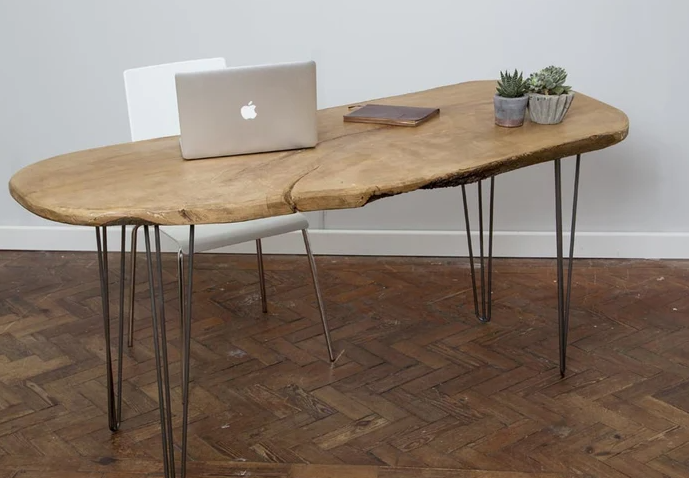
Custom furniture pieces address specific functional and aesthetic needs impossible within standardized retail offerings through individualized design and manufacturing. Dining tables accommodate exact family sizes and entertaining frequencies through appropriate dimensions and extension mechanisms. Desks support work patterns through customized dimensions, storage configurations, and technology integration. Bedroom furniture including beds, nightstands, and dressers coordinates aesthetically while addressing individual storage and functional requirements. Living room pieces including sofas, chairs, coffee tables, and media consoles balance comfort with style preferences. Entryway furniture creates first impressions through console tables, coat storage, and seating. Bookcases provide library storage with adjustable shelving accommodating varied book sizes. Benches offer seating and storage in multiple locations throughout homes. Storage chests provide attractive containers for linens, toys, or seasonal items. Bar cabinets combine beverage storage with serving surfaces and glassware organization. Display cabinets showcase collections through proper lighting, glass doors, and appropriate interior finishes. Specialty pieces address unique needs including piano benches, easels, or equipment stands designed for specific items and uses requiring custom solutions unavailable through retail channels.
Commercial Furniture Solutions
Business environments require furniture balancing aesthetic appeal with intensive use durability, functionality, and brand expression supporting organizational objectives. Office furniture including desks, conference tables, and credenzas optimize workflows through appropriate ergonomics and technology integration. Reception furniture creates professional first impressions communicating organizational values and capabilities. Retail fixtures including display systems, checkout counters, and storage support merchandising strategies and operational efficiency. Restaurant furniture combines durability requirements with customer comfort and aesthetic appeal maintaining appearance despite continuous use. Hotel furniture addresses intensive use patterns through reinforced construction while providing residential comfort and style. Healthcare furniture meets specialized requirements including infection control, accessibility, and patient comfort. Educational furniture supports learning through appropriate sizing, durability, and flexibility. Library furniture combines book storage with study spaces and technology access. Hospitality furniture creates welcoming environments withstanding commercial use patterns. Co-working spaces require flexible furniture supporting varied work styles and rapid reconfigurations. Specialized commercial applications including laboratories, workshops, or industrial settings receive furniture addressing unique operational requirements impossible within consumer product lines designed for residential use patterns.
Furniture Restoration Services
Restoration services extend furniture life through professional repair, refinishing, and modification transforming damaged or outdated pieces into renewed assets. Structural repair addresses joint failures, cracked components, and stability issues through proper joinery reconstruction. Surface refinishing removes damaged finishes, repairs surface imperfections, and applies new protective coatings refreshing appearance. Veneer repair addresses bubbling, cracking, or missing sections through careful removal and replacement. Hardware replacement updates pulls, hinges, and mechanisms improving function and aesthetics. Reupholstery replaces worn fabrics and degraded cushioning with contemporary materials and colors. Color modification through staining or painting transforms finishes matching changed décor schemes. Functional modifications add features, alter dimensions, or improve usability adapting furniture to changing needs. Conversion projects repurpose furniture into different functions including dresser-to-vanity or table-to-desk transformations. Antique restoration preserves historical pieces through period-appropriate repairs and finishes maintaining authenticity and value. Heirloom updates balance preservation with functional improvements maintaining sentimental value while addressing contemporary needs. Restoration assessment determines feasibility and costs compared to replacement alternatives guiding economical decisions regarding furniture retention versus replacement.
Architectural Millwork
Custom millwork enhances architectural character through decorative and functional wood elements integrated with building structures. Crown molding adds ceiling definition and classical proportions to rooms. Baseboards protect walls while providing visual foundation and cable concealment. Chair rails divide wall surfaces creating decorative opportunities and protecting from furniture impacts. Wainscoting adds texture and visual interest to lower wall sections while protecting high-traffic areas. Coffered ceilings create dimensional interest and acoustic benefits through recessed panels. Beam wrapping conceals structural elements or adds decorative features suggesting timber construction. Window casings frame openings with appropriate proportions and decorative details. Door surrounds create architectural presence through applied moldings and trim work. Fireplace mantels provide focal points combining functional surrounds with decorative elements. Stair components including treads, risers, railings, and newel posts balance safety with aesthetic appeal. Paneling creates traditional room character through frame-and-panel assemblies. Built-in shelving integrates with architectural elements creating permanent installations. Decorative brackets support shelves or provide visual interest. Corbels add classical architectural elements and structural or decorative support. Custom millwork distinguishes homes through unique architectural elements impossible within production housing emphasizing craftsmanship and individual character.
Design Consultation Services
Professional design guidance transforms abstract furniture needs into manufacturable specifications through collaborative processes addressing functional, aesthetic, and budgetary considerations. Needs assessment identifies specific requirements, constraints, and objectives through structured discussions. Space planning optimizes layouts maximizing functionality while maintaining appropriate traffic flows. Style development clarifies aesthetic preferences through imagery review and sample evaluation. Material selection balances performance requirements, aesthetic objectives, and budget constraints. Functional planning ensures furniture addresses actual usage patterns and storage needs. Ergonomic considerations optimize dimensions supporting user comfort and health. Technology integration accommodates contemporary electronic device requirements. Sustainability planning incorporates environmental considerations into material and construction choices. Budget development establishes realistic cost expectations based on design complexity and material selections. Timeline planning coordinates design, manufacturing, and installation phases. Vendor coordination manages relationships with specialized trades including upholsterers, glass fabricators, or metal workers. Permitting assistance navigates building code requirements for built-in furniture installations. Design consultation investment prevents expensive mistakes through professional guidance ensuring custom furniture investments meet expectations delivering lasting satisfaction rather than disappointment from inadequately planned projects lacking proper design foundations.