RF

RehabFit Rush

Post‑injury & post‑surgery training

Progressive fitness rehabilitation after injuries and surgery in Rome.

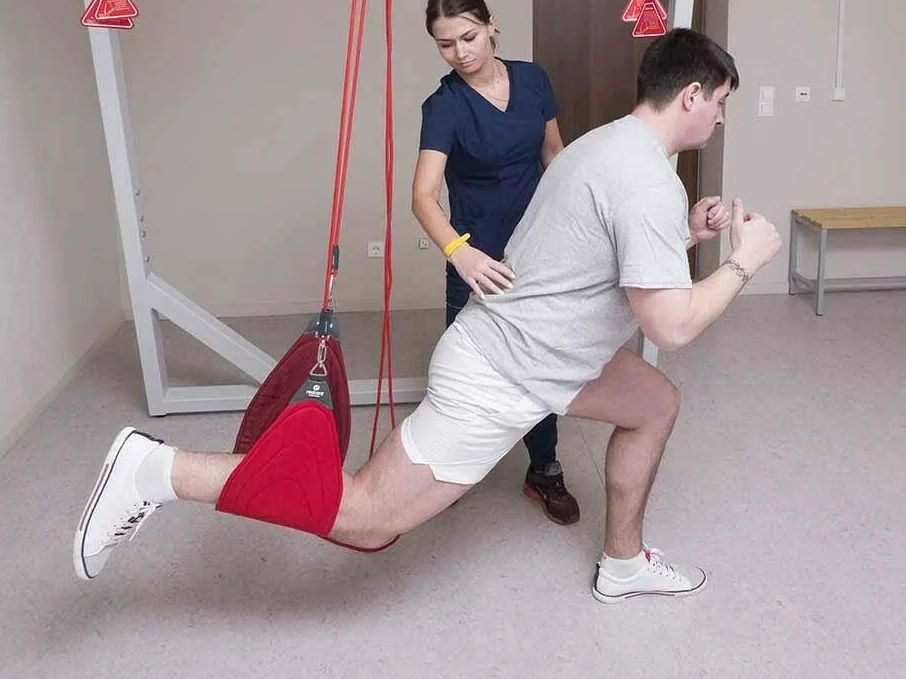
This specialized recovery gym concept focuses on structured post‑injury and post‑surgery fitness programs designed to bridge the gap between classical physiotherapy and everyday strength training. Clients work with movement specialists and rehabilitation‑oriented trainers who understand surgical timelines, load progression and soft‑tissue healing, building a safe path from instability and pain back to confident movement patterns and functional strength. Every plan is tailored around current limitations, physician recommendations and realistic long‑term goals, rather than generic, one‑size‑fits‑all workout templates.

The training environment combines low‑impact conditioning, guided mobility work, neuromuscular control drills and gradual resistance training. Sessions are scheduled with clear phases: stability restoration, controlled load, dynamic integration and return‑to‑sport or full occupational capacity. Clients receive structured feedback, micro‑progressions and seasonal planning so that each week of training contributes to measurable gains rather than random fatigue. In addition, education around joint protection, pain signals, ergonomics and daily movement habits helps people protect their outcomes for years beyond the end of the program, making rehabilitation a lasting lifestyle upgrade instead of a temporary intervention.

Focus areas

Knee & ACL recovery, shoulder rehab, spinal stability, post‑fracture conditioning.

Methods

Evidence‑informed training protocols, movement screening, phased progression.

Clients

Recreational athletes, office workers, post‑operative patients, active seniors.

Rehabilitation fitness training in Rome

Location

7 Via Nazionale, 00184 Rome, Italy

Phone: +39 06 4707

Why rehabilitation‑focused training stands out.

Precision‑crafted recovery plans with clinical awareness

Recovery plans are built after a detailed intake, that includes surgical history, imaging reports (where available), current symptoms and mobility screenings. Instead of generic sets and reps, each phase of the plan defines goals for range of motion, load tolerance and movement quality, with regular checkpoints and re‑assessment. In many cases, trainers coordinate with physiotherapists or physicians to align exercises with rehabilitation protocols, helping reduce the risk of setbacks or overuse during fragile stages of healing. This method gives clients clarity about what each week of training is trying to achieve, making progress feel tangible and intentional.

Immersive support from staff educated in rehab principles

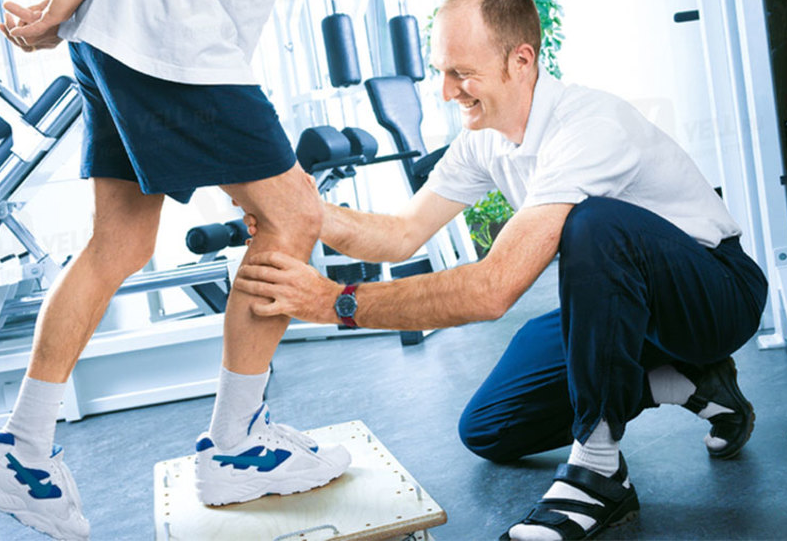
Staff members are trained to observe compensation patterns, fatigue signals and pain responses, and to adjust sessions on the fly so that training stays within safe thresholds. They coach breathing, bracing, joint alignment and tempo, helping clients learn how to move more intelligently under load instead of simply trying to “push through”. Beyond in‑session guidance, clients receive simple micro‑routines for home and office environments: short circulation drills, spinal decompression strategies, and joint‑friendly mobility sequences that fit into busy schedules, reinforcing the work done in the gym. The overarching aim is to create an atmosphere where questions are encouraged and small adjustments are considered part of the process, not failures.

Long‑term resilience and performance, not just discharge

Many clients arrive after having been formally discharged from physiotherapy while still feeling fragile, stiff or anxious about movement. Here, the journey continues beyond that administrative endpoint, with programming that gradually transitions from rehabilitation parameters to performance‑oriented training. Joint integrity, muscular endurance and coordination are strengthened so that daily tasks, sport and travel become easier and more enjoyable. Education on sleep, stress, workload management and realistic training expectations helps people avoid the boom‑and‑bust cycle of doing too much on “good” days and crashing afterward. Over time, this model turns rehabilitation into a gateway: from cautious movement to confident lifting, playing and living with fewer limitations.

Advantages of structured rehabilitation fitness

Structured phases

Clear transitions from pain management and mobility to strength, power and daily function.

Holistic focus

Attention to posture, breathing patterns, ergonomic habits and mental readiness for movement.

Philosophy of post‑injury fitness and guided movement.

The philosophy behind this recovery‑oriented training space is simple: movement should rebuild trust in the body instead of amplifying fear or uncertainty. Programs honor surgical healing timelines and tissue adaptation rates but also recognize that people carry emotional and psychological weight after injury—worry about re‑injury, frustration about lost capabilities and pressure to return quickly to work or sport. Training is therefore designed to be technically sound and emotionally supportive, with coaches explaining why specific drills are chosen, how they interact with healing structures and what sensations are expected or not. This transparency makes each session feel like a guided lesson in how the body recovers, not just a list of tasks to execute.

The environment emphasizes accessibility: adjustable equipment, clear movement demonstrations and gradual exposure to more complex patterns such as single‑leg stability, rotation and deceleration. Clients who have never liked conventional gyms often find that this more intentional setup, with softer lighting, thoughtful music choices and measured pacing, feels safe enough to experiment with movement again. Over time, the aim is that people stop identifying primarily as “injured” and instead see themselves as capable movers in a rebuilding phase, equipped with knowledge and strategies they can carry into any future training context, whether that is independent gym work, sport participation or outdoor activities.

Collaboration is encouraged across disciplines: physiotherapists provide input on contraindications and priorities, trainers translate those insights into session structure and progression, and clients share real‑world feedback about how their body responds in daily life. That triad helps refine programs week by week, keeping them responsive instead of rigid. This collaborative model also recognizes that no single session will decide the outcome of a recovery journey; instead, consistent, moderate, intelligently planned work over months makes the difference. When that philosophy is embraced, setbacks are framed as data points rather than catastrophes, and each client gains a more resilient mindset alongside physical improvements.
About the rehabilitation fitness philosophy

Guiding principles

Safety first, thoughtful progression, education, and respect for both physical and psychological aspects of recovery.

Recovery‑oriented training modalities and support options.

Post‑surgery reintegration sessions

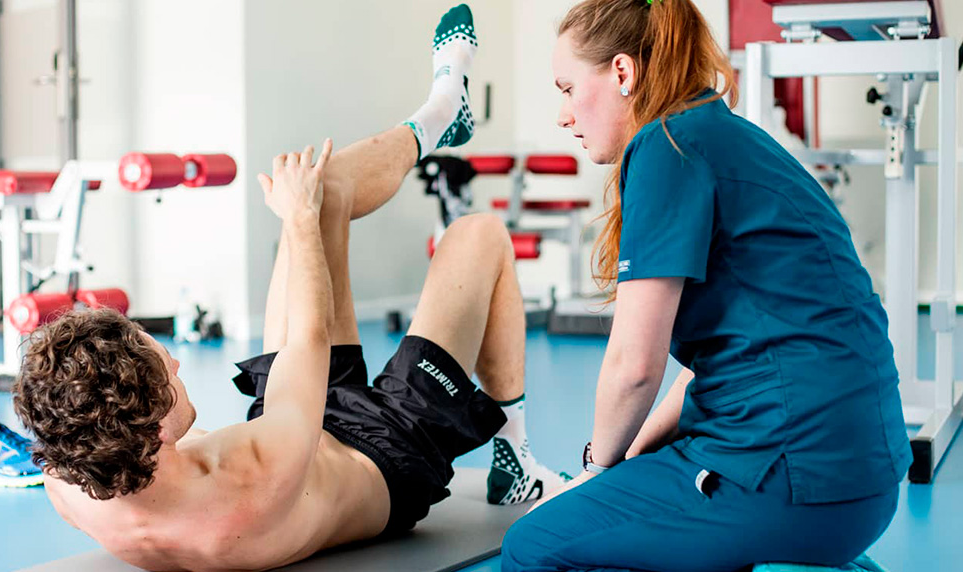
After discharge from hospital and initial physiotherapy, many people need a structured bridge to everyday movement and gym‑based training. Post‑surgery reintegration sessions provide that bridge by combining controlled mobility drills, gentle activation and progressive resistance work, mapped carefully against surgical dates and physician guidelines. The aim is not to rush load but to re‑introduce movement patterns step by step, with clear thresholds for pain, swelling and fatigue. Trainers monitor tolerance to each progression, adjust frequency or intensity where needed and communicate with medical professionals if unexpected responses occur, ensuring that safety remains the primary metric of success.

Targeted post‑injury conditioning blocks

For people recovering from ligament sprains, muscular tears or fractures, targeted conditioning blocks focus on rebuilding strength, endurance and coordination around the affected zones while maintaining overall fitness. Sessions might pair unilateral strength work with cross‑training modalities such as cycling, sled pushes or low‑impact circuits that keep the cardiovascular system engaged without compromising healing structures. Programming includes sensorimotor drills, balance tasks and gradual introduction of direction changes, jumps or deceleration patterns once foundations are ready. Each block is documented so that clients can see how exercises evolve, making it easier to appreciate progress even when changes feel subtle from week to week.

Ongoing movement maintenance and resilience training

Once acute recovery phases are complete, many clients choose to continue with maintenance plans designed to preserve joint health, mobility and strength against the demands of modern life. These sessions integrate full‑body compound lifts, dynamic mobility flows and low‑impact conditioning tailored to each person’s schedule, stress levels and preferences. Emphasis is placed on technique fluency, sustainable progression and building routines that can survive busy weeks. Office workers, frequent travelers and aging athletes learn how to rotate training variables—volume, intensity, exercise selection—so that they stay active without drifting into chronic overuse or stagnation. Over time, resilience training turns rehabilitation results into long‑term movement freedom.

Rehabilitation fitness services and training options

Session formats

One‑to‑one coaching, small focused groups, and phased blocks aligned with recovery milestones.

Support services

Scheduling assistance, progress tracking, educational resources and referral coordination.