Sole Vecchio

Sunlight above the historic centre

Clean power drawn from the tiled roofs of old Rome.

Sole Vecchio brings modern photovoltaic energy to the buildings that give the historic centre its unmistakable skyline. We specialise in the delicate craft of placing efficient solar systems onto the aged, sloping, terracotta-tiled roofs of city-centre houses, where every sightline, every original beam, and every centimetre of ridge demands respect. Each palazzo, apartment block, and family townhouse is treated as living heritage that still deserves a lighter footprint and a smaller energy bill.

From the first rooftop survey to the final grid connection, we design installations that stay almost invisible from the street while quietly producing dependable clean power year after year. Narrow staircases, protected façades, shared courtyards, and brittle old tiles are challenges we know intimately. The result is a system that honours the character of a historic home, satisfies conservation requirements, and turns generous southern sunshine into real, measurable savings for the families living beneath those roofs.

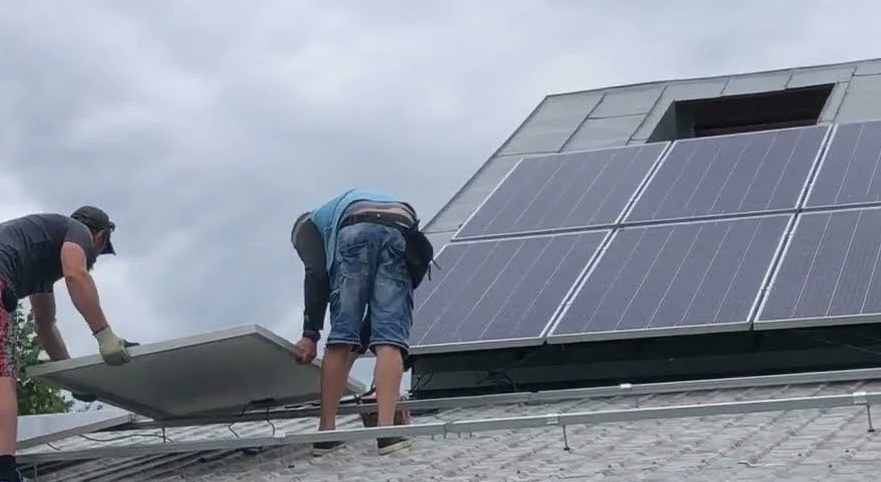
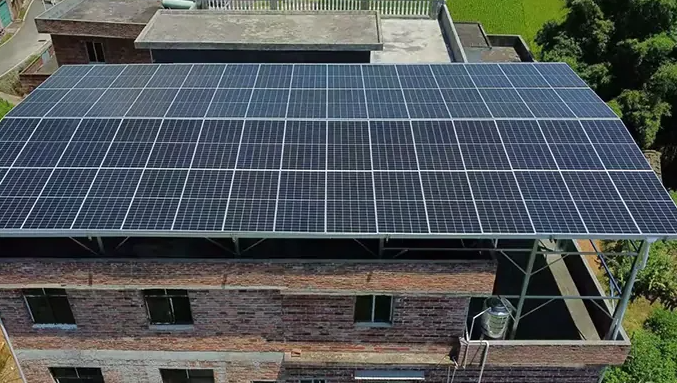
Solar panels fitted on the terracotta rooftops of a historic central Rome building
Technicians fitting discreet solar modules along an old sloping roof

Why owners choose us

Solar craftsmanship built for buildings never meant to change.

Working on protected roofs in a dense historic centre is nothing like fitting panels on a new suburban house. It asks for patience, planning, and a genuine love of old architecture. These are the strengths that let us deliver clean energy without disturbing the soul of a heritage home.

Heritage Comes First

Every project begins with the understanding that a historic roof is irreplaceable. Before a single bracket is chosen, we study the age of the structure, the type of tile, the original timber, and the visual weight of the building within its street. We match module colour, frame profile, and layout to the existing roofscape so the finished array reads as a natural part of the house rather than an imposition. This conservation-first mindset protects the value of the property, keeps neighbours and heritage authorities comfortable, and ensures the character that makes central Rome so distinctive survives untouched for the next generation to inherit.

Barely-Visible Integration

A rooftop system should power a home, not dominate its silhouette. We plan panel placement using sightline studies from the surrounding streets, squares, and taller neighbouring buildings, favouring low-profile mounting and inner roof slopes wherever possible. All-black modules, hidden cabling, and slim rails keep the installation quiet and cohesive. The aim is simple: from the pavement below, a passer-by should barely notice that the old house has become a small solar plant. This discretion is exactly what allows clean energy and cherished architecture to share the same terracotta roof without any conflict at all.

Permit Fluency

Installing solar in a protected historic centre involves layers of rules that overwhelm most owners. We carry that complexity for you. Our team prepares the technical drawings, visual-impact reports, and documentation that conservation and building offices expect, and we speak the language of heritage constraints fluently. By anticipating what reviewers look for, we reduce delays, avoid costly redesigns, and keep projects moving forward. Owners gain a single, dependable partner who manages the paperwork from end to end, so the path from first idea to switched-on system feels far smoother than the reputation of city-centre bureaucracy would ever suggest.

Yield From Modest Roofs

Historic roofs are often small, shaded by towers and chimneys, and broken up by skylights or dormers. Extracting real energy from them takes engineering, not guesswork. We use high-efficiency modules, careful string design, and module-level electronics to draw dependable output from awkward, partially shaded surfaces. Optimisers and micro-inverters keep a single shadow from dragging down the whole array, while precise tilt and orientation modelling captures the strong southern sun. The outcome is a compact system that produces meaningfully more than a naive layout would, turning a constrained old roof into a genuinely productive and rewarding asset.

Structure and Safety

Aged buildings carry hidden fragilities, from tired rafters to brittle tiles and settled walls. We never assume an old roof can simply bear new loads. Each project includes a structural assessment and a mounting strategy that spreads weight sensibly and preserves waterproofing. We use fixings designed for traditional tile and timber, seal every penetration with care, and leave the roof more weatherproof than we found it. This engineering discipline protects both the occupants and the fabric of the house, so the addition of solar strengthens confidence in the building rather than introducing fresh risks of leaks, cracks, or damage.

Rooted Local Knowledge

Our work lives and breathes the rhythms of the historic centre: the narrow lanes, the shared courtyards, the parking limits, and the neighbours who watch every scaffold go up. Because we work here every day, we plan logistics that respect residents and comply with local access rules, scheduling deliveries and lifts to minimise disruption. We know which orientations catch the best light above the rooftops and how seasonal sun angles move across the old quarters. This grounded familiarity means fewer surprises, calmer projects, and installations tuned to the real conditions of a Roman rooftop rather than a generic template.
Who we are

A workshop devoted to old walls and new energy.

Sole Vecchio grew from a simple conviction: the oldest buildings in the city deserve a place in the clean-energy future rather than being left behind by it. We are a close team of photovoltaic engineers, traditional roofers, electricians, and heritage-minded designers who chose to specialise in the hardest rooftops of all, those crowning the historic houses of central Rome. Where large installers see complication, we see a craft worth mastering, and we have shaped our entire practice around doing this one thing exceptionally well.

Our method blends old and new trades. A roofer who understands how a century-old tile roof breathes works alongside an engineer who models sun paths and energy yield to the kilowatt-hour. Together they design systems that fit the building instead of forcing the building to fit the system. We keep our teams small and accountable, so the same people who survey your roof are the ones who install it, and the person who answers your questions truly understands the wiring behind them.

Above all, we see ourselves as custodians as much as contractors. Every array we fit must earn its place on a roof that has watched the city change for generations. We measure success not only in kilowatts generated and euros saved, but in how quietly the system sits within the streetscape and how confident an owner feels years later. Clean energy and cultural heritage are not opponents in our workshop; they are partners, and reconciling them beautifully is exactly what we set out to do.

More about our story →
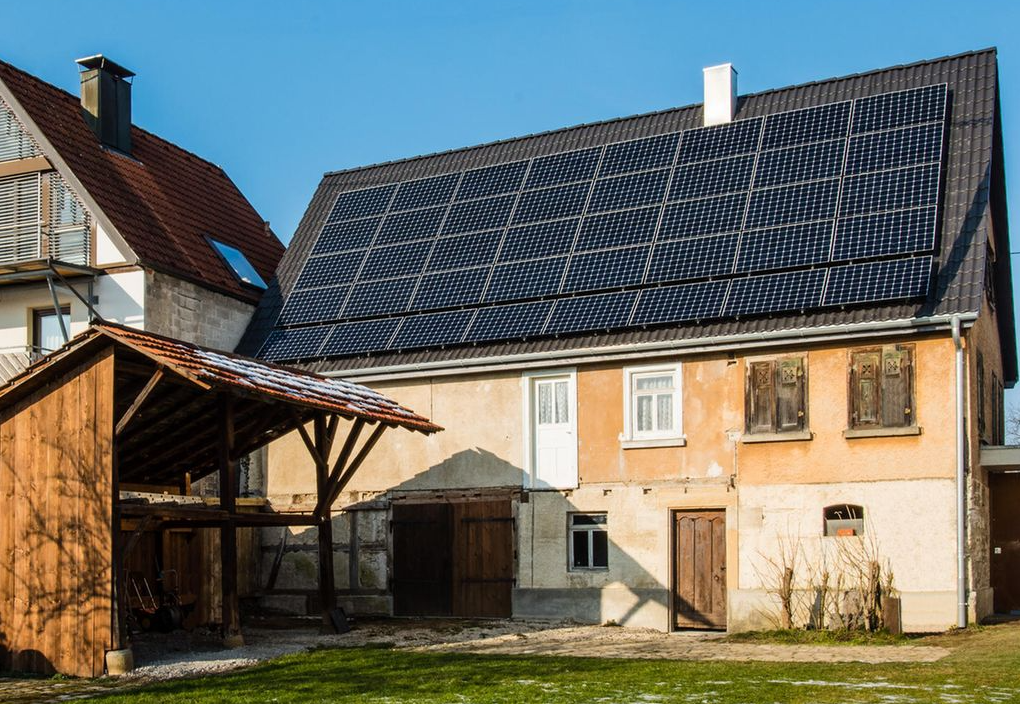
Team surveying a historic Roman roof before a solar installation

What we deliver

From first survey to a roof quietly making power.

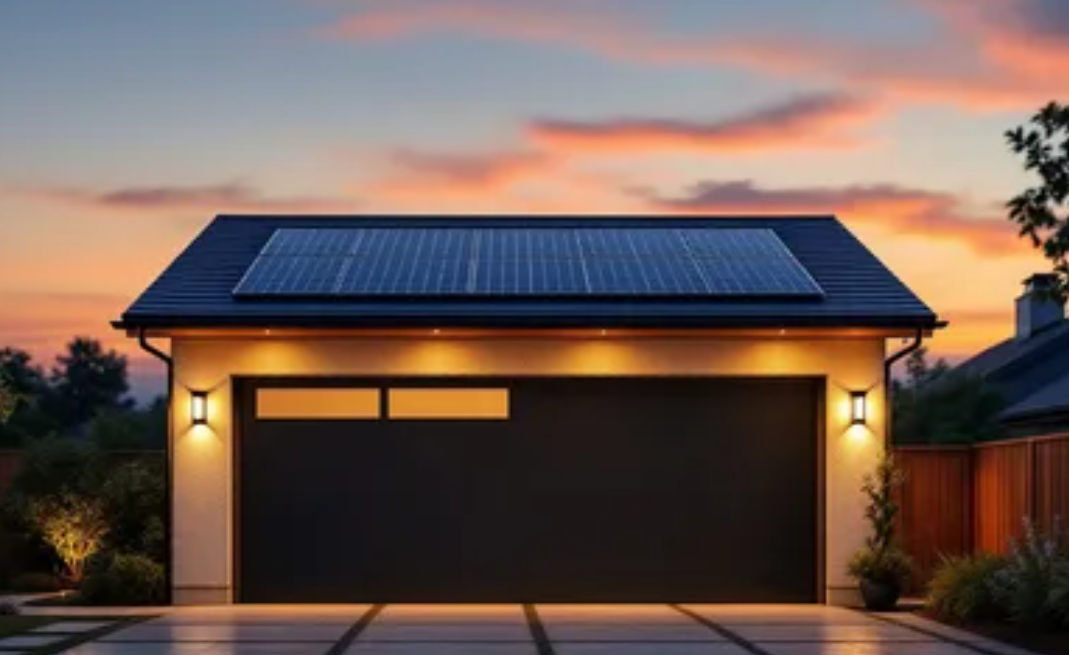
Finished discreet solar array on an old city-centre rooftop at golden hour

Rooftop Survey & Feasibility

Every relationship starts on the roof itself. Our surveyors climb up to measure the true geometry of your tiles, chimneys, and dormers, record shading from neighbouring towers across the day, and inspect the timber and waterproofing beneath. We combine those findings with sun-path modelling to estimate realistic annual production and to flag any conservation sensitivities early. You receive a clear feasibility report explaining what is possible, where panels should sit, how much energy to expect, and which approvals will be required.

Heritage Panel Design

Designing for an old roof is an act of balance between energy and appearance. Our designers produce layouts that maximise output while keeping the array visually calm and respectful of the building line. We select module colour and frame finish to blend with terracotta and slate, arrange rows to follow the roof's natural rhythm, and prepare the visual-impact drawings that heritage reviewers expect. Nothing is placed by default; every panel position is a deliberate compromise between the sun, the sightlines, and the structure.

Discreet Mounting & Cabling

The installation itself is where craftsmanship shows. Our roofers use mounting systems made for traditional tile and timber, lifting and refitting tiles by hand so the roof stays watertight and original where it matters. Cabling is routed out of sight, penetrations are sealed to last, and every fixing is chosen to protect the structure rather than strain it. We work cleanly on the scaffold, respect the neighbours below, and leave no scars on the façade of the building at all.

Grid Connection & Metering

A system only pays for itself once it is properly tied into the network. Our electricians handle the inverter installation, protection devices, and bidirectional metering, and we manage the applications required to connect your production to the grid and to sell surplus energy back. We configure everything to current standards, test thoroughly, and document the commissioning so your paperwork is complete and audit-ready. From then on, sunlight striking your old roof translates directly into lower bills.

Battery Storage Integration

Sunshine is generous by day, but life in a historic home continues into the evening. Battery storage lets you keep the energy your roof produces and use it after dark, reducing reliance on the grid and adding resilience during outages. We size storage to match your real consumption, install compact units in the tight spaces old buildings allow, and integrate them with the inverter and monitoring so the whole system works as one calm, coordinated household energy source.

Monitoring & Maintenance

Our care does not end when the system switches on. We set up performance monitoring so any dip in output is spotted early, and scheduled maintenance keeps modules clean, fixings sound, and connections safe, which matters especially on exposed old roofs where dust, birds, and weather leave their mark. Should anything need attention, the same team that built the array returns to service it, protecting your investment and sustaining strong yield over decades.

Get in touch

Ready to bring solar to your historic roof?

Tell us about your building and we will arrange a rooftop survey, explain what is possible under the conservation rules of the centre, and outline the energy and savings you can realistically expect. Reach us directly using the details below, or send a message with the form.

Address

Via del Governo Vecchio 90, 00186 Roma RM, Italia